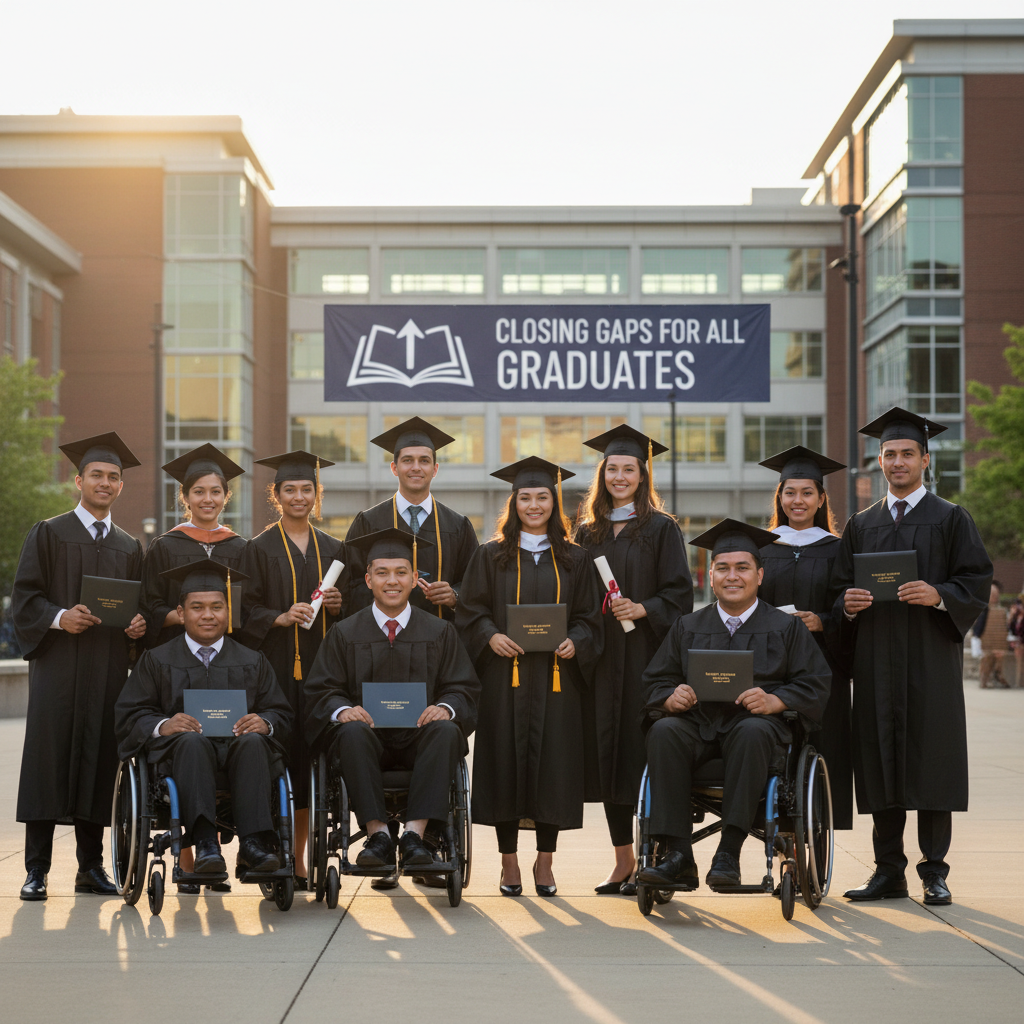
Types of Pathways
College Preparatory
Traditional academic pathway with advanced coursework preparing students for four-year colleges.
Career and Technical Education
CTE pathways combining academic requirements with career-focused coursework and industry certifications.
Alternative Programs
Evening schools, online programs, and alternative settings for students who need different approaches.
Accelerated Options
Early graduation, competency-based progression for students ready to move faster.
Graduation Tracking
Monitor credit completion, Michigan Merit requirements, and on-track graduation status.
Maintaining Quality
Multiple pathways shouldn't mean multiple standards. All pathways should prepare students for postsecondary success—whether college or career.
Pathway Counseling
Help students choose appropriate pathways based on interests and goals. Avoid tracking students based on demographics rather than choice.
See AcumenEd in Action
Request a personalized demo and see how AcumenEd can transform your school's data.
Key Takeaways
- Multiple pathways (college prep, CTE, alternative, accelerated) serve diverse student needs.
- All pathways should maintain rigor and prepare for postsecondary success.
- Counsel students into pathways based on interests, not demographics.
Dr. Sarah Chen
Chief Education Officer
Former school principal with 20 years of experience in K-12 education. Dr. Chen leads AcumenEd's educational research and curriculum alignment initiatives.