The Reintegration Challenge
Students returning after extended absence face compounding challenges: academic gaps, missed social connections, anxiety about return, and risk of falling back into absence patterns. Without intentional support, many students who return after long absences become absent again within weeks.
After six weeks away—illness, family crisis, and then growing reluctance to return—David finally came back to school. He walked through the door feeling lost. The class had moved on. His friends seemed distant. The work made no sense. By the end of the first week, he was looking for reasons to stay home again.
David's story is common. Extended absence creates a hole that doesn't automatically fill when the student returns. Academic content has advanced. Social dynamics have shifted. The student feels like an outsider in a place that should feel like theirs. Without support, many students in David's situation will accumulate more absences—either through gradual slippage or complete re-disengagement.
Effective reintegration acknowledges that return is a process, not an event. It requires planning, support, and patience—from the student, the family, and the school.
Before Return: Planning for Success
Reintegration should begin before the student walks through the door:
Reintegration Meeting
Bring together the student, family, counselor, and key teachers to plan the return. Discuss what happened during the absence (to the extent the family wishes to share), what the student is worried about, and what supports would help. This meeting signals that the school cares about successful return and creates shared ownership of the plan.
Academic Assessment
Understand what the student has missed and where they stand academically. This doesn't require formal testing; teacher input on what content was covered and informal assessment of student skills can guide support. The goal is understanding gaps, not documenting failure.
Schedule Considerations
Consider whether the student's schedule supports successful return. Are there classes that will be particularly difficult to rejoin? Teachers who will be especially welcoming? Periods that cause particular anxiety? Strategic schedule adjustments can ease transition.
First-Day Planning
Plan the mechanics of the first day: Who will the student check in with? Where will they go if overwhelmed? What's the plan if they need to leave? Uncertainty increases anxiety; concrete plans provide security.
Reintegration Planning Checklist
The First Days: Critical Support Period
The first days and weeks of return are highest risk for re-disengagement:
Warm Welcome
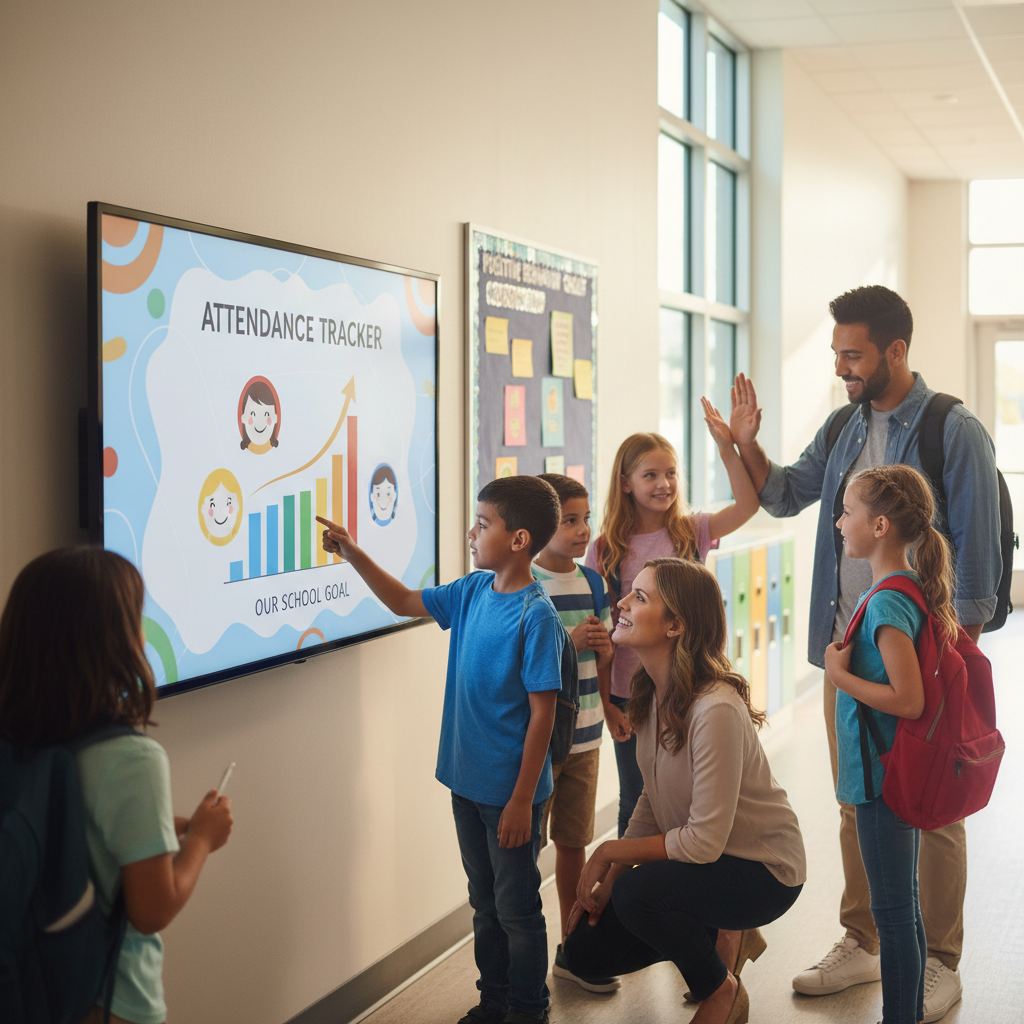
The student needs to feel wanted, not judged. Teachers should welcome them back genuinely. Peers should be encouraged to reconnect. The message should be "we're glad you're here," not "you have a lot to make up."
Reduced Expectations Initially
Expecting returning students to immediately perform at full capacity sets them up for failure. Temporarily reduced workload, extended deadlines, or modified assignments help students build momentum rather than feeling immediately overwhelmed.
Daily Check-Ins
A trusted adult should check in with the student daily during the initial period. How is it going? What's working? What's hard? These conversations catch problems early and communicate ongoing support.
Peer Connection
Social isolation after absence is common. Intentionally facilitating peer reconnection—through buddy assignments, group activities, or simple reintroductions—helps rebuild social bonds that make students want to be at school.
Attendance Tracking
Monitor chronic absenteeism patterns and intervene before attendance impacts achievement.
Academic Recovery
Students returning from extended absence face academic gaps that require strategic support:
Prioritize Essential Learning
Not everything missed is equally important. Teachers should identify essential concepts and skills—the prerequisites for future learning—and prioritize those in recovery plans. Completionist approaches that require making up every assignment overwhelm students and delay moving forward.
Acceleration Over Remediation
When possible, help students engage with current content while filling gaps, rather than holding them back to complete everything missed. Just-in-time support for prerequisite skills as they're needed often works better than sequential catch-up.
Tutoring and Extra Support
One-on-one or small-group support can accelerate academic recovery. Peer tutoring, teacher office hours, before/after school help, or external tutoring services provide intensive support that classroom instruction alone can't match.
Grade Recovery Options
Extended absences can devastate grades due to missed assignments and assessments. Grade recovery options—replacement assignments, test retakes, credit recovery programs—give students pathways to success rather than accepting academic failure as the consequence of absence.
Preventing Re-Absence
Students returning from extended absence are at high risk for recurring absence. Prevention requires:
Address Root Causes
If the original absence had identifiable causes—health issues, family circumstances, school avoidance—those causes likely persist. Connecting students and families to appropriate support (health services, social services, mental health support) addresses underlying issues rather than just the symptom of absence.
Ongoing Monitoring
Watch attendance closely in the weeks following return. Any absence should trigger immediate outreach—not as punishment, but as support. Early intervention prevents drift back into chronic patterns.
Build Connection
Students who feel connected to school—to teachers, peers, activities—are more likely to maintain attendance. Helping returning students build these connections provides ongoing motivation to attend.
Graduated Return if Needed
For some students, particularly those with anxiety or school avoidance, immediate full return isn't realistic. A graduated return schedule—starting with partial days or selected classes, increasing over time—builds attendance tolerance while preventing complete re-disengagement.
Sample Graduated Return Schedule
Week 1: Half days (mornings only), check in with counselor before leaving
Week 2: Full days Monday/Wednesday/Friday, half days Tuesday/Thursday
Week 3: Full days with one scheduled break period
Week 4: Regular schedule with counselor check-in at lunch
Week 5+: Regular schedule with weekly counselor check-in
Note: Schedules should be individualized based on student needs and progress.
Special Circumstances
Some extended absences require particular sensitivity:
Medical Absence
Students returning from serious illness or medical treatment may have ongoing health needs, physical limitations, or emotional effects to address. Coordination with healthcare providers ensures school support aligns with medical recommendations.
Mental Health Crisis
Students returning from psychiatric hospitalization or mental health treatment need careful reintegration that maintains therapeutic gains. School should communicate with treatment providers and follow recommended supports.
Family Crisis
Students whose absence resulted from family crisis (death, divorce, housing loss, parental incarceration) may be processing grief or trauma that affects school engagement. Counseling support and teacher awareness help schools respond appropriately.
Justice System Involvement
Students returning from juvenile detention or other justice system placement face particular stigma and reintegration challenges. Schools should prepare to receive these students without judgment and connect them to appropriate support.
See AcumenEd in Action
Request a personalized demo and see how AcumenEd can transform your school's data.
Family Partnership
Families are essential partners in successful reintegration:
Shared planning. Include families in reintegration planning. They know their child best and can provide insights about what will help or hinder successful return.
Home-school communication. Maintain close communication during the transition. Daily or frequent updates help families support the student and address emerging issues quickly.
Morning support. Getting out the door after extended absence is hard. Families may need strategies for morning routines that support consistent attendance.
Shared monitoring. Alert families to any attendance concerns immediately. Early family-school collaboration can prevent re-established absence patterns from taking hold.
Measuring Success
How do you know if reintegration is succeeding? Consider:
- • Is attendance improving and sustaining?
- • Is the student engaging academically?
- • Does the student report feeling connected?
- • Are teachers observing active participation?
- • Is the student making academic progress?
- • Are there concerning patterns in partial attendance or tardiness?
Track these indicators over weeks and months. Success isn't just getting the student back; it's keeping them back and helping them thrive.
David's Story, Continued
What if David's return had been different? With reintegration planning: a meeting before return to address his worries, teachers prepared to welcome him without overwhelming him with makeup work, a peer buddy to help him reconnect, daily check-ins with his counselor, and modified initial expectations.
It would still be hard. Return after extended absence is always hard. But with support, David would have a real chance at sustainable return rather than a brief visit before sliding back into absence.
Every student returning from extended absence deserves this chance. Reintegration done well doesn't just address one student's absence—it prevents months more of missed learning and builds a foundation for future success.
Key Takeaways
- Reintegration is a process, not an event—planning, support, and monitoring are essential for sustainable return.
- Academic recovery should prioritize essential learning and use acceleration over remediation approaches.
- Preventing re-absence requires addressing root causes, ongoing monitoring, and building school connection.
- Graduated return schedules can help students with anxiety or avoidance build attendance tolerance while preventing complete re-disengagement.
Dr. Emily Rodriguez
Director of Student Support Services
Expert in student intervention strategies with a focus on early warning systems and MTSS implementation.