The Prevention Principle
Research consistently shows that effective classroom managers spend far more effort on prevention than reaction. The goal isn't managing misbehavior well—it's having less misbehavior to manage.
Walk into two different classrooms. In one, the teacher constantly redirects students, raises her voice, and seems perpetually frustrated. In another, students work purposefully, transitions flow smoothly, and the teacher has time to actually teach. Same school. Similar students. What's the difference?
Usually, it's not a magic personality or stricter rules. It's systems—the invisible structures that make good behavior the path of least resistance. Effective classroom managers create environments where learning happens naturally because the conditions support it.
Building the Foundation
Clear Expectations
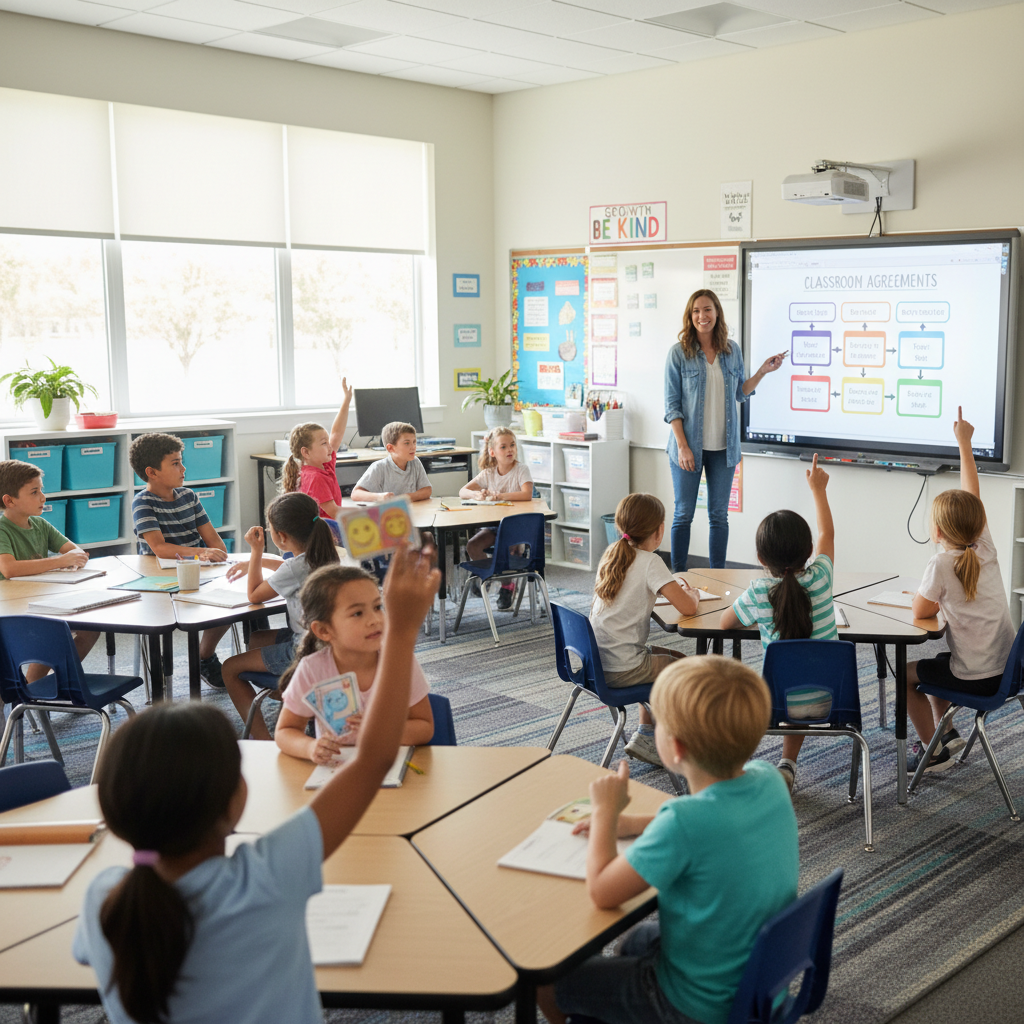
Students need to know exactly what's expected. Vague directions like "be good" or "work hard" don't work. Specific expectations do: "When I say 'independent work,' you should be in your seat, working silently on your own assignment, raising your hand if you need help."
The best expectations are: stated positively (what to do, not just what not to do), specific enough to be observable, few in number (3-5 for the classroom, specific expectations for different activities), and taught explicitly with examples and practice.
Consistent Procedures
Routines reduce cognitive load and misbehavior. Students who know exactly how to enter class, get materials, submit work, and transition between activities don't need to make decisions that might go wrong. Establish procedures for: entering and leaving class, getting and returning materials, seeking help, transitions between activities, bathroom and water breaks, what to do when finished early.
Physical Environment
Room arrangement affects behavior. Consider: sight lines (can you see all students?), traffic flow (can students move without collision?), material access (can students get what they need independently?), distraction minimization (are high-traffic areas away from instruction space?), and flexible configurations (can seating support different activities?).
First Weeks: Investment That Pays Off
Spend significant time at year's start teaching expectations and procedures:
- • Model exactly what you expect (show, don't just tell)
- • Practice procedures until they're automatic
- • Provide feedback on practice attempts
- • Re-teach after breaks and as needed
- • Celebrate when procedures go well
This investment seems slow but saves enormous time throughout the year.
Engagement as Prevention
Most misbehavior happens when students are disengaged. The best classroom management strategy is teaching that students don't want to miss.
Pacing
Maintain brisk instructional pace. Dead time—waiting for the teacher, for materials, for classmates—invites misbehavior. Have activities ready. Minimize transitions. Keep momentum.
Active Participation
All students should be thinking and responding, not just a few. Use techniques like: choral response (everyone answers together), think-pair-share, whiteboards for all-student response, cold calling (no hands up, anyone might be called), and collaborative activities requiring everyone's contribution.
Appropriate Challenge
Work that's too hard creates frustration; work that's too easy creates boredom. Both lead to misbehavior. Differentiate to keep students in the challenge zone—pushed but not overwhelmed.
Relevance
Students engage more when they understand why content matters. Connect learning to students' lives, interests, and goals. When students see the point, behavior improves.
Behavior Management
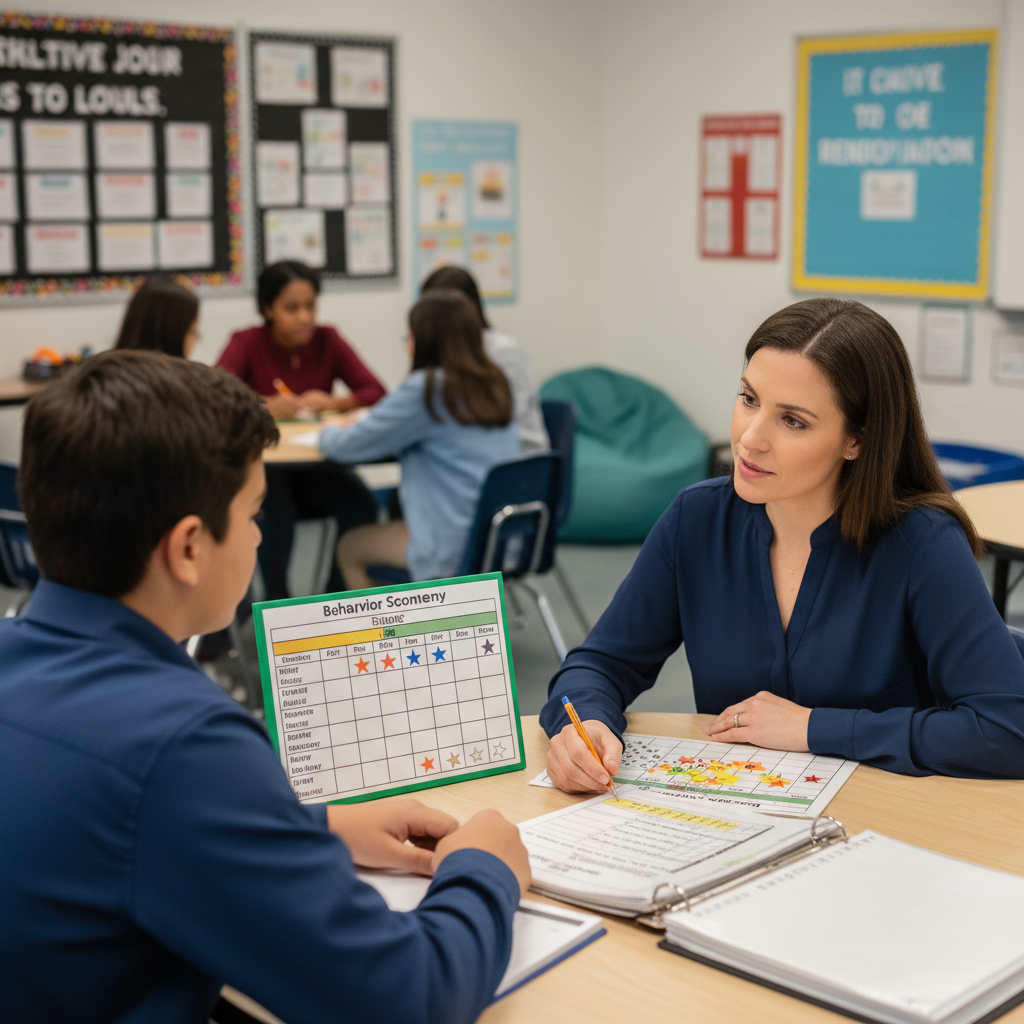
Track behavioral incidents and implement positive behavior intervention strategies.
Positive Reinforcement
Attention is a powerful reinforcer—what you attend to increases. The ratio of positive to corrective interactions should be at least 4:1.
Specific Praise
"Good job" is less effective than "I noticed you kept working on that problem even when it was difficult. That persistence is going to pay off." Specific praise identifies the behavior you want to see more of.
Strategic Attention
Catch students being good, especially students who often struggle. A student who rarely receives positive attention will seek negative attention. Flip the script by providing positive recognition before problems occur.
Group Recognition
Recognize when the class as a whole meets expectations: "I noticed everyone transitioned to their reading groups in under two minutes. That gives us more time to actually read together."
Relationship as Foundation
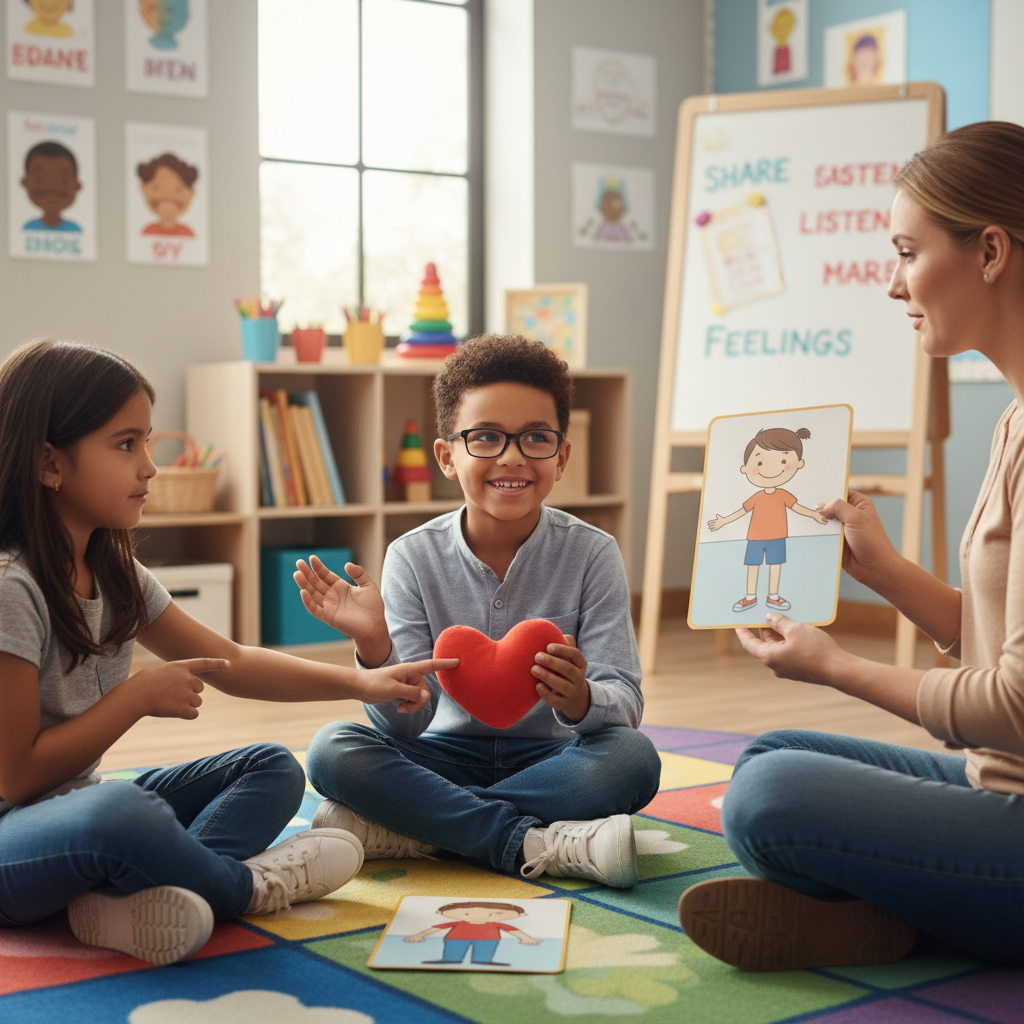
Students behave better for teachers they like and trust. Relationship isn't a soft extra—it's foundational to behavior management.
Know Your Students
Learn students' names quickly. Know their interests, strengths, and challenges. Greet them individually. Small acknowledgments build connection: "How was your soccer game yesterday?"
2x10 Strategy
For challenging students, spend two minutes per day for ten days in personal conversation about non-academic topics. This simple relationship investment often transforms behavior.
Warmth and Demandingness
The most effective teachers combine warmth (genuine care, positive relationship) with demandingness (high expectations, consistent follow-through). Warmth without demands becomes permissive. Demands without warmth become authoritarian. Both together create optimal conditions.
Responding to Misbehavior
Despite prevention, some misbehavior will occur. Effective responses minimize disruption while addressing the behavior.
Least Invasive Interventions First
Start with the smallest intervention that might work:
- • Proximity: Move near the student
- • Non-verbal cue: A look, gesture, or signal
- • Private reminder: Quick, quiet redirection while walking past
- • Anonymous correction: "I need everyone looking this way" rather than naming individuals
- • Direct instruction: "Marcus, eyes on me please"
Escalate only as needed. Public, loud interventions disrupt learning and can trigger power struggles.
Private Over Public
When possible, address behavior privately rather than publicly. Public corrections embarrass students and can escalate conflicts. A brief private conversation is often more effective than a public confrontation.
Stay Calm
Your emotional state affects students' responses. Calm correction de-escalates. Angry response escalates. When you feel frustration rising, pause. Use a neutral tone. Model the self-regulation you want students to develop.
Focus on Behavior, Not Character
"That was a bad choice" rather than "You're a bad kid." "That language isn't acceptable here" rather than "You're disrespectful." Separating behavior from identity preserves relationship and invites change.
The 2-10-2 Response
For minor misbehavior:
- • 2 seconds: Brief pause to ensure you're calm
- • 10 words or fewer: Quick, clear redirection ("Marcus, eyes on me please")
- • 2 seconds: Wait for compliance, then continue teaching
Long lectures interrupt learning and give misbehavior disproportionate attention.
See AcumenEd in Action
Request a personalized demo and see how AcumenEd can transform your school's data.
Consistent Follow-Through
Consistency is more important than severity. Students learn from patterns. If consequences are sometimes applied and sometimes not, students learn that rules are negotiable.
Mean what you say. Don't make threats you won't follow through on. Every unenforced warning teaches students that warnings don't matter.
Apply consistently across students. Fairness builds trust. If some students get away with things others don't, students notice—and resent it.
Consistent doesn't mean identical. Different students may need different supports. But core expectations should apply to everyone.
Reflection and Improvement
Even experienced teachers continue refining classroom management:
Track patterns. When do problems occur? With whom? During what activities? Patterns suggest solutions.
Seek feedback. Ask students what helps them learn. Ask colleagues what they notice. Observation and coaching accelerate improvement.
Adjust and iterate. What worked last year might not work this year with different students. Stay responsive to the students in front of you.
The Ultimate Goal
The purpose of classroom management isn't control—it's learning. The smoothly running classroom isn't an end in itself; it's the condition that makes deep learning possible.
In the best-managed classrooms, you almost don't notice the management. Systems are invisible because they work. Students engage because the conditions support engagement. The teacher can focus on teaching because behavior largely takes care of itself.
This doesn't happen by accident. It happens because a teacher invested in building systems, taught expectations explicitly, created engaging instruction, built relationships, and responded thoughtfully when problems arose. The work is substantial—but the payoff, in learning and in teacher wellbeing, is enormous.
Key Takeaways
- Prevention beats reaction—clear expectations, consistent procedures, and engaging instruction reduce misbehavior before it occurs.
- Positive reinforcement (at least 4:1 ratio) shapes behavior more effectively than punishment.
- Relationship is foundational—students behave better for teachers they like and trust.
- Respond to misbehavior with the least invasive effective intervention, staying calm and consistent.
James Okonkwo
Senior Implementation Specialist
Former charter school administrator with deep expertise in Michigan charter school accountability and authorizer relations.