The Research Is Clear
Suspensions don't improve behavior—they predict worse outcomes: lower achievement, higher dropout rates, and increased involvement in the justice system. Yet schools suspend millions of students annually. It's time for evidence-based alternatives.
When a student is suspended, what actually happens? They miss class—often several days of instruction. They fall further behind academically. They may spend unsupervised time at home or on the street. They return to school having learned nothing about managing the behavior that got them suspended. And they're more likely to be suspended again.
This isn't speculation—it's what decades of research shows. Suspension doesn't work as a behavior intervention. It works as removal, temporarily extracting a problem from the building. But it creates more problems than it solves.
The movement to reduce exclusionary discipline isn't about ignoring misbehavior. It's about using responses that actually change behavior while keeping students connected to school.
The Case Against Suspension
It Doesn't Change Behavior
Students who are suspended are more likely to be suspended again. The intervention doesn't address the causes of behavior or teach alternative skills. Suspension says "don't do that" without teaching what to do instead.
It Harms Achievement
Suspended students miss instruction. Each day of suspension is a day of lost learning. Students already struggling academically fall further behind, creating frustration that often manifests as more misbehavior.
It Predicts Dropout
Suspension is one of the strongest predictors of dropout. Students who are suspended—particularly repeatedly—are far more likely to leave school before graduation. Suspension pushes struggling students further toward the door.
It's Applied Inequitably
Black students are suspended at roughly three times the rate of white students for similar behaviors. Students with disabilities are suspended at twice the rate of non-disabled peers. Suspension practices often reflect and reinforce systemic inequity.
It Feeds the School-to-Prison Pipeline
Suspended students are more likely to become involved with the juvenile justice system. Removing students from school pushes them toward environments where they're more likely to encounter trouble.
Suspension by the Numbers
2.5M+
students suspended annually in the U.S.
3x
higher suspension rate for Black vs. white students
2x
higher suspension rate for students with disabilities
10x
higher dropout rate for students with multiple suspensions
Alternatives That Work
In-School Support Programs
Instead of sending students home, in-school alternatives keep them in a supervised setting where they can continue learning while addressing behavior. Elements might include: structured reflection, restorative conversations, counseling, academic support, and planning for return to regular classes.
Restorative Practices
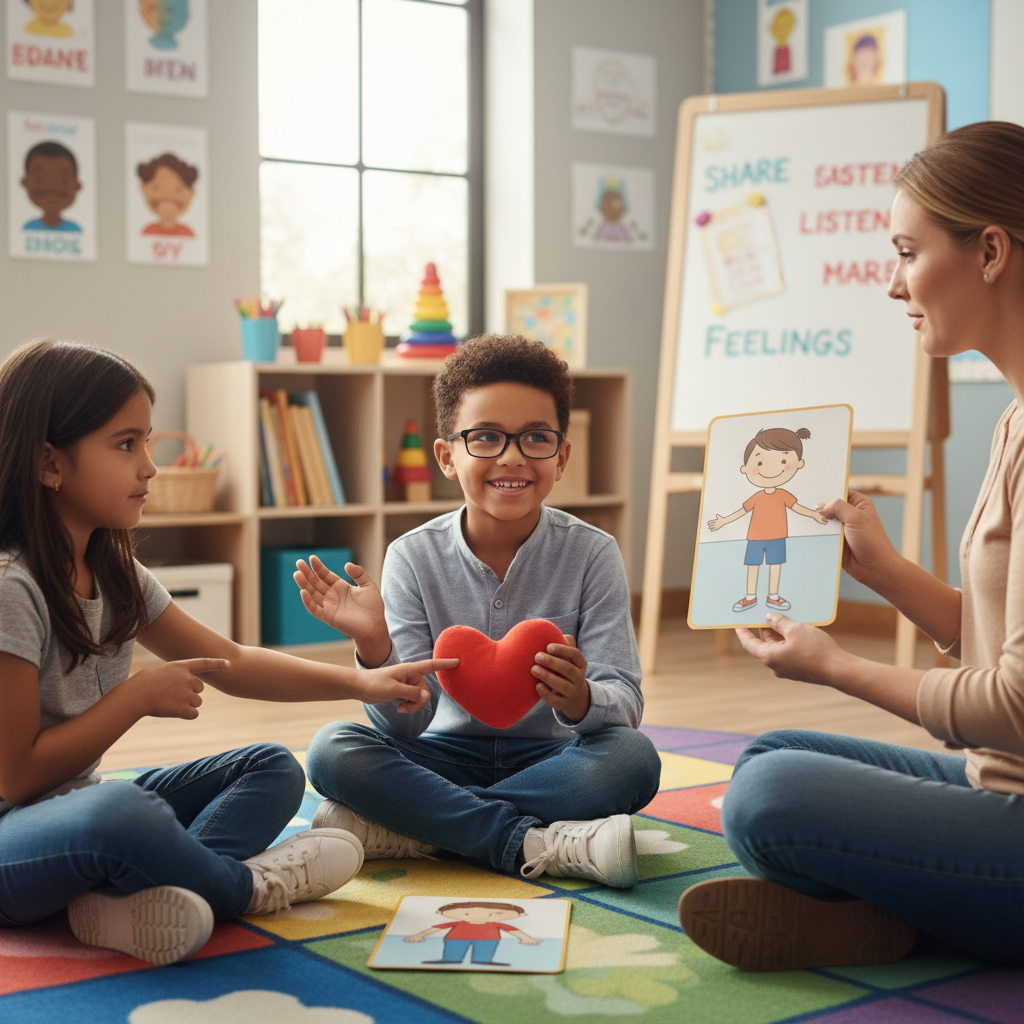
Restorative approaches address harm by bringing together affected parties, focusing on repair rather than punishment. Students confront the impact of their actions and take responsibility for making things right. Research shows restorative practices reduce repeat incidents more effectively than suspension.
Behavior Intervention Plans
For students with repeated behavior challenges, individualized plans address root causes through functional behavior assessment, targeted skill building, environmental modifications, and progress monitoring.
Mental Health Services
Much challenging behavior reflects mental health needs. Connecting students to counseling, therapy, or psychiatric services addresses underlying issues rather than punishing symptoms.
Mentoring Programs
Regular check-ins with caring adults (Check-In/Check-Out programs) provide support, accountability, and relationship that helps students stay on track.
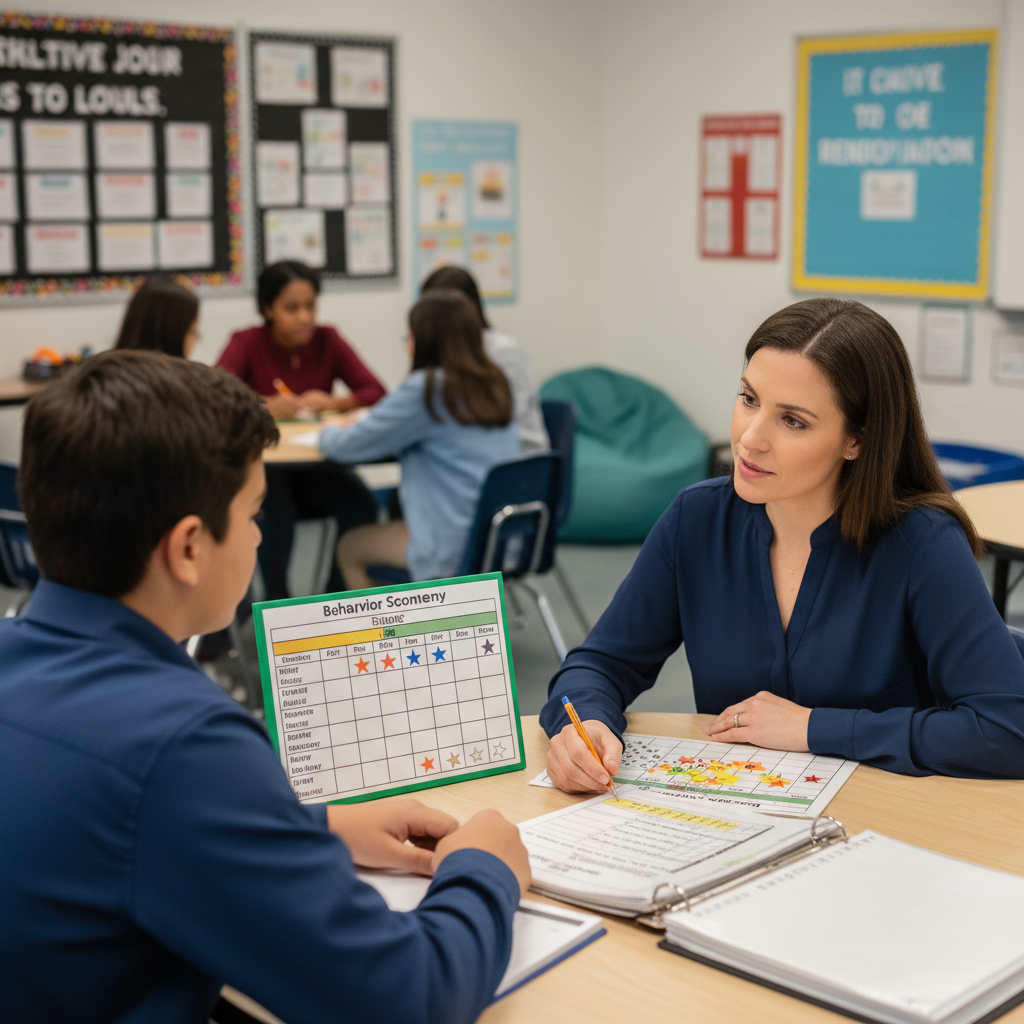
Behavior Management
Track behavioral incidents and implement positive behavior intervention strategies.
Implementation Strategies
Revise Discipline Codes
Many discipline codes mandate suspension for offenses that could be addressed differently. Review and revise codes to allow discretion and alternatives. Reserve suspension for genuine safety threats, not defiance or disruption.
Build Capacity for Alternatives
Alternatives require resources: staff to run in-school programs, counselors to provide support, training in restorative practices. Reducing suspension without building alternatives just creates a gap.
Train Staff
Teachers and administrators need new skills: de-escalation, restorative conversations, behavior intervention design. Professional development builds capacity to respond differently.
Strengthen Prevention
The best way to reduce suspension is to reduce the behaviors leading to suspension. Stronger Tier 1 supports, positive school climate, and early intervention prevent problems from escalating to the point where exclusion seems necessary.
Monitor and Adjust
Track suspension rates overall and by subgroup. Set reduction goals and monitor progress. When disparities persist, investigate and address causes.
Case Study: Oakland Unified
Oakland Unified School District dramatically reduced suspensions through comprehensive reform:
- • Implemented restorative practices district-wide
- • Created alternatives to suspension programs
- • Revised discipline code to limit mandatory suspensions
- • Trained all staff in restorative approaches
- • Monitored discipline data for equity
Result: 60% reduction in suspensions over five years, with decreases across all student groups.
Addressing Common Concerns
"Won't this make schools less safe?"
Schools reducing suspension often become safer, not less safe. When students receive support rather than exclusion, behavior improves. When schools focus on building positive climate, problems decrease. Safety comes from prevention and support, not just removal.
"What about serious incidents?"
Suspension alternatives don't mean ignoring serious safety threats. Schools can and should remove students temporarily when genuine safety concerns exist. The goal is reserving removal for true safety issues, not using it as the go-to response for defiance or disruption.
"Don't students need consequences?"
Yes—but effective consequences teach, not just punish. A restorative conference where a student confronts the harm they caused and makes amends is a consequence. Skill-building intervention is a consequence. Suspension is a consequence too, but one that doesn't improve behavior. Choose consequences that work.
"Teachers need support too."
Absolutely. Reducing suspension without supporting teachers creates impossible situations. Teachers need training in alternatives, backup when situations escalate, and confidence that they won't be left struggling with challenging students without help.
When Suspension May Be Necessary
Reducing suspension doesn't mean eliminating it entirely. Suspension may be appropriate when:
- • There's genuine risk to safety of the student or others
- • The student needs time away for stabilization or external support
- • Other interventions have been tried and haven't worked
- • Legal requirements mandate removal (some weapons or drug offenses)
Even when suspension occurs, it should be as short as possible, paired with support services, and followed by a thoughtful reintegration process.
See AcumenEd in Action
Request a personalized demo and see how AcumenEd can transform your school's data.
The Bigger Picture
Reducing exclusionary discipline is part of a larger shift in how schools think about behavior: from punishment to support, from exclusion to engagement, from one-size-fits-all consequences to individualized intervention.
This shift isn't easy. It requires resources, training, and culture change. It challenges comfortable assumptions about "holding students accountable." It demands that schools do the harder work of actually changing behavior rather than the easier work of sending students away.
But the evidence is overwhelming: what we've been doing doesn't work. Suspension doesn't improve behavior, it predicts dropout, and it's applied inequitably. We can do better. We must do better.
Every suspended student is a student pushed further from success. Every alternative intervention is a chance to change that trajectory. The choice is ours.
Key Takeaways
- Suspensions don't improve behavior—they predict worse outcomes including dropout and justice involvement.
- Evidence-based alternatives include in-school programs, restorative practices, behavior plans, and mental health services.
- Implementation requires policy revision, capacity building, training, and monitoring for equity.
- Reducing suspension makes schools safer, not less safe, by addressing behavior causes rather than just removing students.
Dr. Emily Rodriguez
Director of Student Support Services
Expert in student intervention strategies with a focus on early warning systems and MTSS implementation.