The Research Foundation
A meta-analysis of 213 SEL programs found an average 11 percentile point gain in academic achievement and significant reductions in conduct problems, emotional distress, and drug use. SEL works—when implemented well.
Why did Marcus push another student? Maybe he was angry and didn't know how to express it. Maybe he couldn't read the social cues that the other student was joking. Maybe he was overwhelmed and acted before thinking. In each case, the behavior problem reflects a skill gap—skills that could have been taught.
Social-emotional learning (SEL) teaches these skills explicitly: recognizing and managing emotions, understanding others' perspectives, making responsible decisions, building positive relationships. When students have these skills, many behavior problems never occur.
The CASEL Framework
The Collaborative for Academic, Social, and Emotional Learning (CASEL) identifies five core competencies:
Self-Awareness
Recognizing one's emotions, thoughts, and values and how they influence behavior. Understanding personal strengths and limitations. Having a well-grounded sense of confidence and purpose.
Self-Management
Regulating one's emotions, thoughts, and behaviors effectively in different situations. Managing stress, controlling impulses, motivating oneself, and working toward goals.
Social Awareness
Taking the perspective of others with diverse backgrounds and cultures. Understanding social and ethical norms for behavior. Recognizing family, school, and community resources and supports.
Relationship Skills
Establishing and maintaining healthy and rewarding relationships. Communicating clearly, listening actively, cooperating, negotiating conflict constructively, and seeking or offering help when needed.
Responsible Decision-Making
Making constructive choices about personal behavior and social interactions. Considering ethical standards, safety concerns, social norms, and consequences of various actions.
SEL and Behavior: The Connection
Each CASEL competency directly relates to behavior:
Self-awareness helps students recognize when they're getting upset before they act out. A student who can identify "I'm starting to feel angry" can do something about it. A student who doesn't recognize their emotional state until they've already exploded can't.
Self-management provides strategies for handling strong emotions. The student who knows to take deep breaths, remove themselves briefly, or use positive self-talk has tools for regulation. The student without these skills has only their raw impulses.
Social awareness enables perspective-taking. The student who can understand another person's viewpoint is less likely to misinterpret their actions as hostile. Many conflicts stem from misunderstanding intentions.
Relationship skills include conflict resolution. Students who can express needs, listen to others, and negotiate solutions don't need to resort to aggression or withdrawal.
Responsible decision-making introduces the pause between impulse and action. Considering consequences before acting prevents many regrettable choices.
Behavior Management
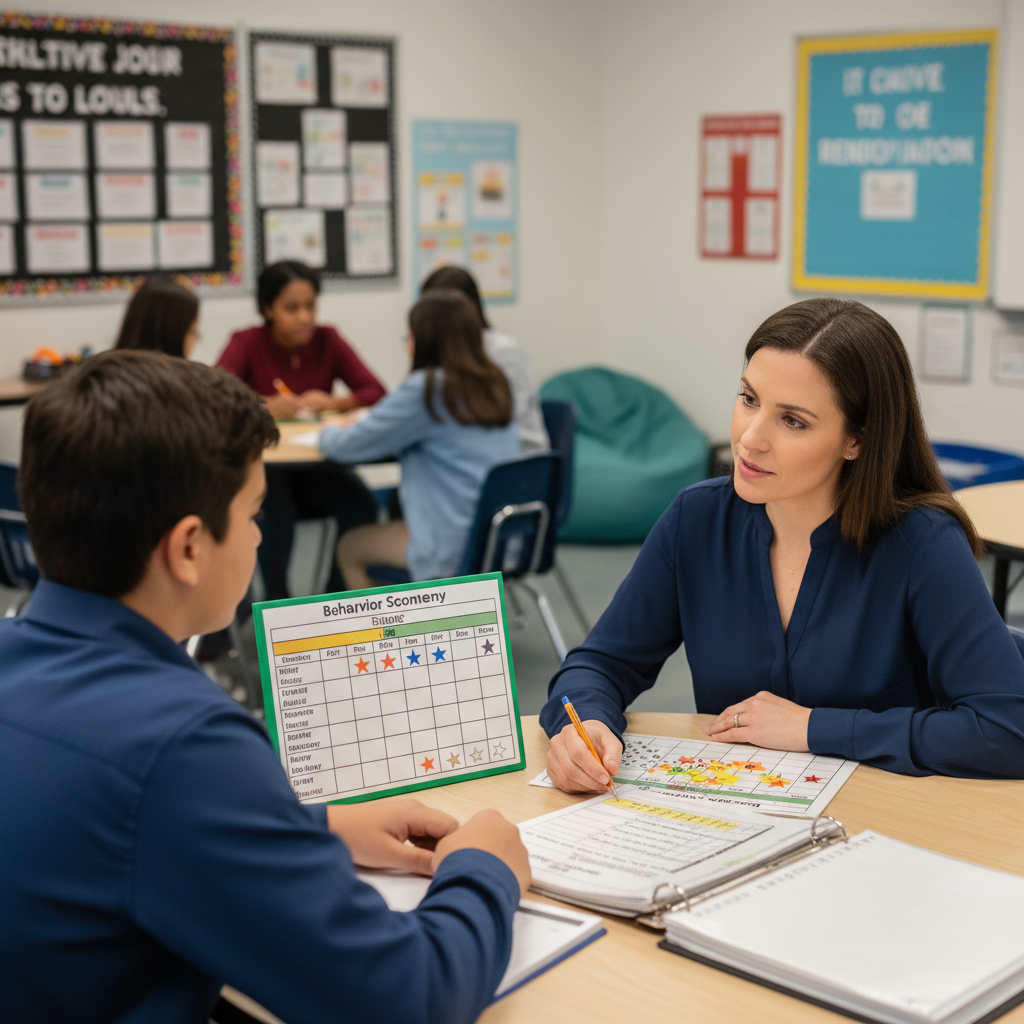
Track behavioral incidents and implement positive behavior intervention strategies.
Implementation Approaches
Explicit Curriculum
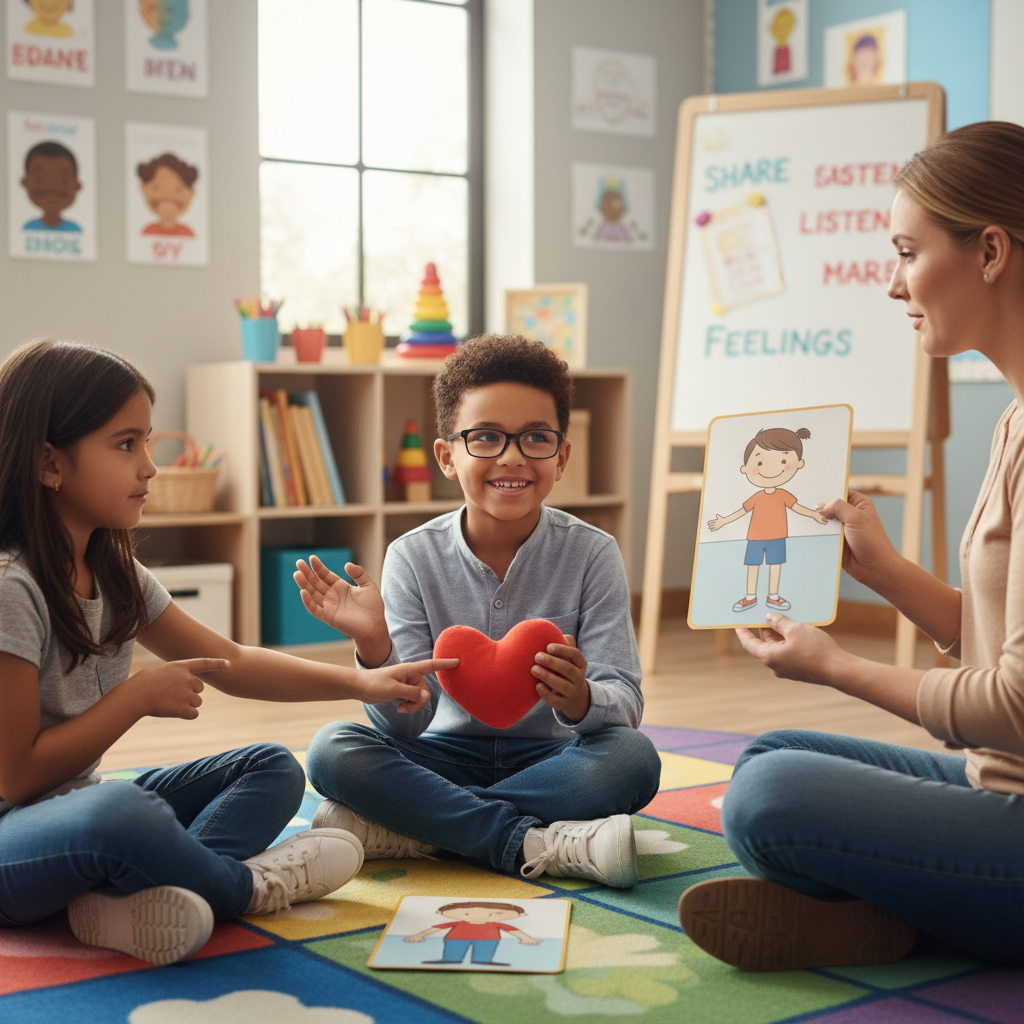
Many schools use dedicated SEL curricula with regular lessons teaching social-emotional skills. Programs like Second Step, RULER, and Positive Action provide structured lessons with activities, discussion, and practice. Explicit instruction ensures skills are taught systematically.
Integration Across Subjects
SEL can be woven into academic instruction: analyzing characters' emotions in literature, discussing ethical dilemmas in history, using collaborative problem-solving in math. This approach reinforces skills in context and doesn't require separate SEL time.
School Climate and Culture
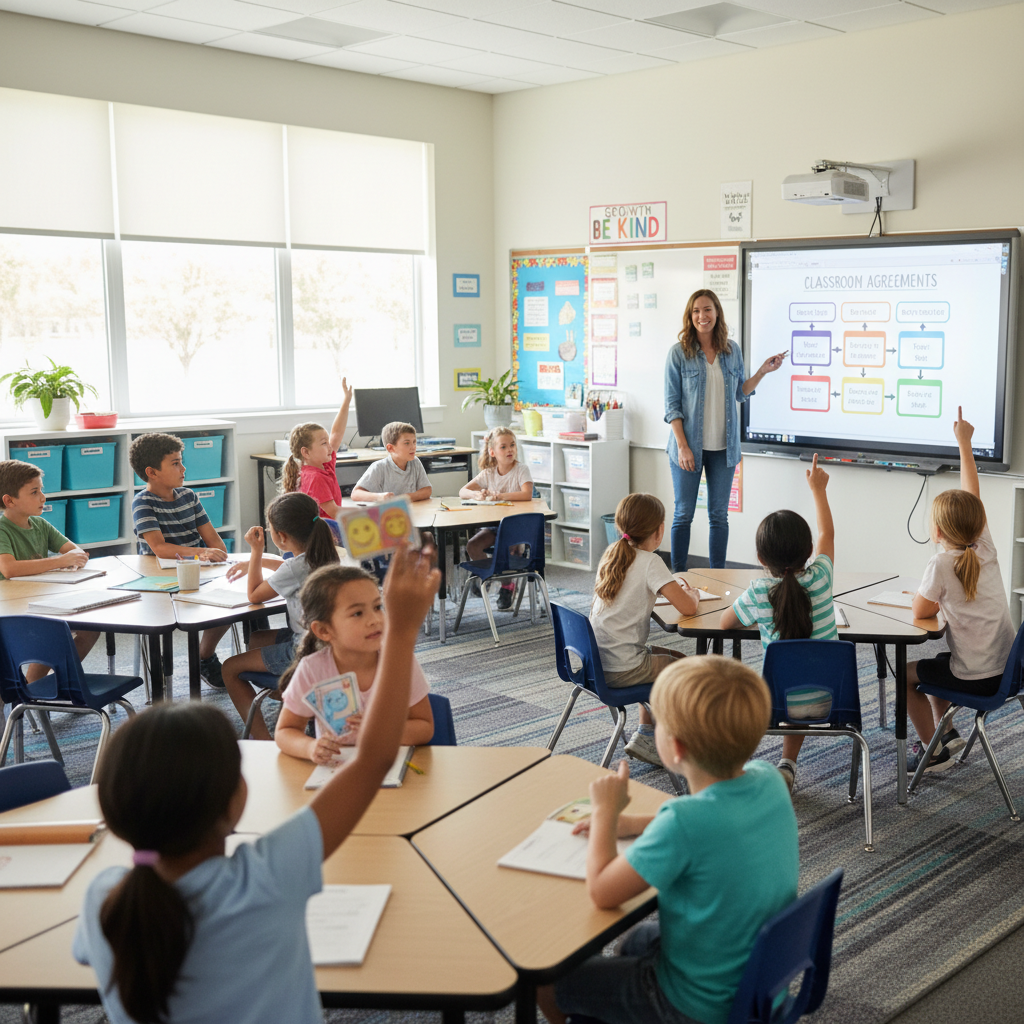
Beyond instruction, school-wide practices embed SEL: morning meetings that build community, consistent language around emotions and behavior, adult modeling of SEL skills, and physical environment that supports wellbeing.
Adult SEL
Staff can't teach what they don't practice. Adult SEL includes professional development in social-emotional competencies, attention to staff wellbeing, and modeling of SEL skills in adult interactions.
SEL and Behavioral Interventions
SEL complements other behavior approaches:
With PBIS
PBIS provides structure for behavior expectations; SEL provides the skills to meet those expectations. A school might have an expectation to "Be Respectful," and SEL teaches the self-awareness, perspective-taking, and communication skills that respectful behavior requires.
With Trauma-Informed Practice
SEL skills like emotional regulation are particularly important for trauma-affected students. However, some standard SEL activities may trigger traumatized students. Trauma-informed implementation adapts SEL for students who have experienced adversity.
With Restorative Practices
Restorative circles require SEL skills: listening, empathy, self-expression, perspective-taking. Students with strong SEL foundations participate more effectively in restorative processes.
SEL Skills That Prevent Common Behavior Problems
Physical Aggression
Prevention through: emotional regulation, anger management, impulse control, conflict resolution, perspective-taking
Verbal Disrespect
Prevention through: self-management, assertive communication, perspective-taking, responsible decision-making
Classroom Disruption
Prevention through: self-awareness, impulse control, attention management, understanding of classroom norms
Peer Conflict
Prevention through: relationship skills, conflict resolution, perspective-taking, empathy, communication
Refusal/Defiance
Prevention through: self-awareness, self-advocacy, stress management, responsible decision-making
Implementation Quality Matters
SEL works when implemented well. Key quality factors:
Evidence-Based Programs
Choose programs with research evidence of effectiveness. CASEL maintains reviews of SEL programs and their evidence base. Homegrown programs without research may or may not work.
Sufficient Dosage
One lesson a month isn't enough. Effective SEL requires regular, sustained instruction—typically at least 30-40 minutes weekly, plus integration throughout the day.
Quality Implementation
Teachers need training and support to deliver SEL effectively. Rushing through lessons, skipping activities, or teaching without engagement undermines impact.
Practice and Application
Skills learned in lessons must be practiced and applied in real situations. If SEL is isolated in one time block without connection to daily life, transfer is limited.
Adult Consistency
Adults must reinforce SEL skills throughout the day. If the SEL lesson teaches conflict resolution but the playground supervisor responds to conflict punitively, the lesson is undermined.
See AcumenEd in Action
Request a personalized demo and see how AcumenEd can transform your school's data.
Measuring SEL and Behavior Outcomes
How do you know if SEL is working? Multiple data sources help:
Behavior data: Track office referrals, suspensions, and classroom incidents. Effective SEL should reduce these over time.
SEL assessments: Tools like the DESSA or Panorama SEL Survey measure student social-emotional competencies directly.
Climate surveys: Student and staff perceptions of school climate can reflect SEL impact on the broader environment.
Teacher observation: Qualitative observations of student behavior, conflict resolution, and emotional regulation provide rich data.
Addressing Concerns
"What about academic time?"
SEL improves academics, not at their expense. The research consistently shows academic gains from quality SEL. Time spent building social-emotional skills pays off in improved classroom behavior, better engagement, and enhanced learning.
"Isn't this parents' responsibility?"
Parents are certainly central to social-emotional development. But schools spend significant time with children and have structured opportunities for skill-building. School-based SEL complements—doesn't replace—family influence.
"Won't some families object?"
Transparency helps. Share what SEL involves and how it connects to school success. Most families support teaching children to manage emotions, get along with others, and make good decisions. Those are broadly shared values.
Prevention Is the Goal
Return to Marcus. With strong SEL skills, he might have recognized his anger rising before he pushed. He might have taken a breath, used a coping strategy, sought adult help, or resolved the conflict verbally. The behavior problem might never have occurred.
This is the promise of SEL: not better responses to behavior problems, but fewer behavior problems to respond to. Prevention rather than reaction. Skill-building rather than punishment.
SEL isn't a replacement for behavior management systems. Schools still need clear expectations, consistent responses, and support for students who struggle. But SEL changes the foundation—giving all students the skills they need to meet expectations and navigate challenges.
When students can recognize and manage their emotions, understand others, build relationships, and make responsible decisions—behavior problems decrease. That's not magic. That's skill-building. And it works.
Key Takeaways
- SEL teaches the skills that prevent behavior problems: emotional regulation, perspective-taking, conflict resolution, and responsible decision-making.
- Research shows quality SEL programs improve academics and behavior while reducing conduct problems and emotional distress.
- Implementation quality matters—evidence-based programs, sufficient time, trained teachers, and consistent adult reinforcement.
- SEL complements other approaches (PBIS, trauma-informed, restorative)—providing the skills that make those approaches work better.
Dr. Sarah Chen
Chief Education Officer
Former school principal with 20 years of experience in K-12 education. Dr. Chen leads AcumenEd's educational research and curriculum alignment initiatives.