The Transportation Gap
Transportation is cited as a primary attendance barrier for approximately 15% of chronically absent students. In rural areas and under-resourced urban communities, that figure can exceed 25%. When reliable transportation exists, students attend; when it doesn't, they can't.
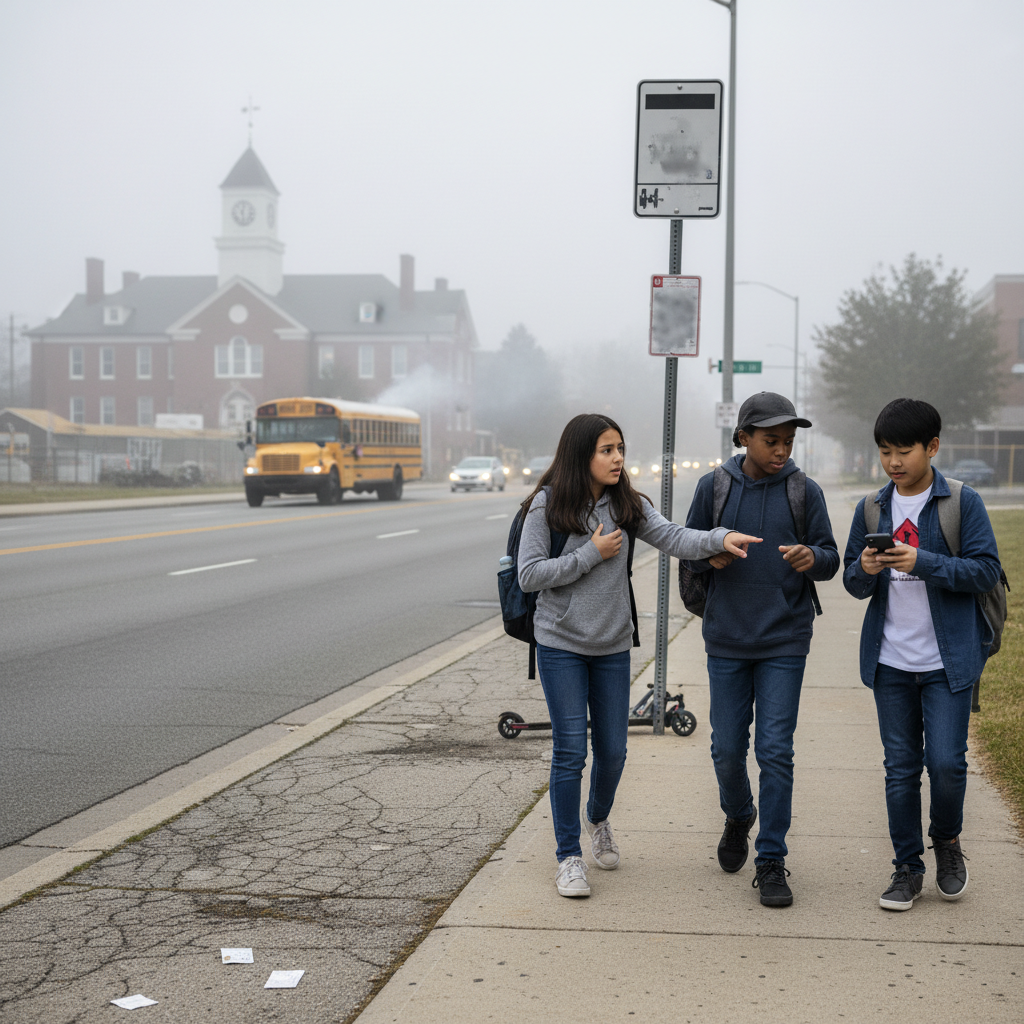
Marcus wanted to be at school. His teachers liked him; he had friends; his grades were decent when he was there. But "when he was there" was the problem. Marcus lived seven miles from school in a neighborhood without public transit. His mother worked early morning shifts. The school bus route had been cut two years ago due to driver shortages. Getting to school depended on a neighbor's unreliable car.
By November, Marcus had missed 14 days—not because he didn't care about school, but because he simply couldn't get there. His attendance problem wasn't a motivation problem or a family values problem. It was a transportation problem.
Stories like Marcus's are common across the country. The national bus driver shortage, expanded school choice creating longer commutes, and inadequate public transportation in many communities have made getting to school harder for millions of students. Addressing chronic absenteeism requires addressing transportation.
The Transportation Landscape
Several factors have intensified transportation challenges:
Bus Driver Shortages
School districts nationwide report significant bus driver shortages—some estimate 10-15% of positions are unfilled. This has forced route consolidation, longer rides, reduced service to some areas, and less reliable schedules. Students who previously had bus service may no longer have it.
School Choice Complications
As school choice expands—charter schools, magnet programs, open enrollment—students increasingly attend schools outside their neighborhoods. Traditional transportation systems designed around neighborhood schools don't serve these patterns well, leaving many choice students without transportation.
Rural Challenges
Rural students often face long distances to school with limited transportation options. Bus routes may be lengthy and inconvenient. Public transportation rarely exists. When family vehicles break down, students may have no way to reach school.
Urban Barriers
Urban students face different challenges: safety concerns about walking routes, unreliable public transit, traffic that makes commutes unpredictable, and parking limitations for families who might drive. Proximity doesn't guarantee access.
Transportation Barriers by Context
Rural
- • Long distances to school
- • Limited/no public transit
- • Extended bus routes
- • Vehicle reliability issues
- • Weather/road conditions
Suburban
- • Bus route cuts
- • Distance too far to walk
- • Parent work schedules
- • Limited transit options
- • School choice distances
Urban
- • Safety concerns (walking)
- • Unreliable public transit
- • Traffic unpredictability
- • Cost of transit fares
- • Multiple school sites
Attendance Tracking
Monitor chronic absenteeism patterns and intervene before attendance impacts achievement.
Identifying Transportation-Related Absences
Not all absences stem from transportation, so identifying which students face transportation barriers enables targeted solutions:
Pattern Analysis
Transportation-related absences often show patterns: concentrated on days with bad weather, clustered when a family vehicle is unavailable, or correlated with bus schedule changes. Analyzing absence patterns can reveal transportation as the underlying cause.
Direct Inquiry
Simply asking families about transportation is often the most effective diagnostic. "How does your child get to school? Is transportation ever a challenge?" These questions, asked early and without judgment, identify barriers families may be reluctant to volunteer.
Geographic Analysis
Mapping chronic absenteeism by student address can reveal geographic clusters—areas without bus service, with long distances to school, or with known transportation challenges. These patterns point to systemic solutions rather than individual interventions.
Tardiness Correlation
Students with transportation challenges often show chronic tardiness alongside absences—they're late when transportation is unreliable, absent when it fails completely. High tardiness rates can signal transportation issues.
School-Based Solutions
Schools and districts can implement several strategies to address transportation barriers:
Route Optimization
With limited bus resources, optimizing routes to serve the highest-need students becomes critical. Priority routing for students with attendance problems, flexible stops based on enrollment changes, and analysis of which route adjustments would have the greatest impact can help limited resources go further.
Alternative Transportation Programs
Some districts have developed creative alternatives: partnerships with ride-share services for students without other options, subsidized public transit passes, bike programs, or walking school buses with adult supervision. These alternatives serve students that traditional bus service can't reach.
Carpool Coordination
Schools can facilitate carpool arrangements among families, connecting those with transportation to those without. Matching systems, carpool apps, and coordinator support make carpooling more viable, especially for families who don't know their neighbors well.
Schedule Adjustments
Sometimes the barrier isn't transportation availability but timing. A parent might be able to drive before work but not at school start time. Flexibility with arrival times, before-school programs, or alternative schedules can make existing transportation workable.
Family Support Strategies
Beyond systemic solutions, individual family support helps address transportation barriers:
Emergency Transportation Fund
Some schools maintain funds to provide emergency transportation assistance—gas cards when fuel cost is a barrier, ride-share credit when regular transportation fails, or temporary taxi service during family crises. Small investments can prevent significant attendance loss.
Vehicle Assistance
Connecting families to vehicle repair assistance, donated vehicle programs, or auto insurance support can address underlying transportation capacity. Community partnerships often provide these resources.
Transit Navigation
For students who could use public transit, navigating routes and schedules may be daunting. Schools can help families understand transit options, plan routes, and build confidence in using public transportation.
Backup Planning
Helping families develop backup transportation plans—what happens when the usual method fails—prevents occasional problems from becoming attendance crises. Identifying multiple options and emergency contacts creates resilience.
Transportation Solutions Toolkit
Immediate Interventions
Gas cards, ride-share credits, emergency taxi service, carpool matching
Short-Term Solutions
Transit passes, route adjustments, schedule flexibility, walking groups
Long-Term Strategies
Vehicle assistance programs, transit partnerships, route optimization, before/after school programs
See AcumenEd in Action
Request a personalized demo and see how AcumenEd can transform your school's data.
Community Partnerships
Transportation solutions often require partners beyond the school system:
Transit Agencies
Public transit agencies may offer student discount programs, adjust routes to serve school locations, or partner on specialized school transportation. Building relationships with transit authorities opens possibilities.
Employers
Large employers with flexible scheduling policies can reduce transportation barriers by enabling parents to transport children. Some employers near schools provide transportation-supportive benefits. Engaging major employers in attendance initiatives can yield indirect transportation benefits.
Faith and Community Organizations
Churches, community centers, and civic organizations sometimes have vehicles and volunteers available to help with student transportation. These partnerships often serve students who fall through gaps in formal systems.
Technology Partners
Ride-share companies have developed programs specifically for student transportation in some areas. Technology platforms that coordinate carpools, optimize routes, or manage transportation logistics can enhance school capacity.
Special Considerations
Certain student populations face unique transportation challenges:
Students in Foster Care
Federal law requires districts to provide transportation for foster students to their school of origin, but implementation varies. These students need proactive support to ensure transportation rights are fulfilled.
Students Experiencing Homelessness
The McKinney-Vento Act requires transportation for homeless students, but frequent moves and shelter locations make this challenging. Close coordination between attendance staff and homeless liaisons is essential.
Students with Disabilities
Students with certain disabilities may require specialized transportation as part of their IEP. When specialized transportation fails—a common occurrence given staffing shortages—attendance suffers disproportionately.
Shared Custody Situations
Students moving between households may face transportation challenges that vary by custody schedule. Understanding family situations and planning for different scenarios prevents avoidable absences.
Making the Case for Investment
Transportation solutions require resources. Building the case for investment involves several arguments:
Attendance improves funding. In many states, school funding depends on attendance. Students who attend because transportation barriers are removed generate revenue that can exceed the cost of transportation solutions.
Prevention is cheaper than intervention. The cost of addressing chronic absenteeism after it develops—intervention programs, summer school, grade retention—typically exceeds the cost of preventing it through transportation support.
Equity demands action. Transportation barriers disproportionately affect low-income students. Addressing transportation is an equity intervention, not just an attendance intervention.
Community benefits extend beyond school. Improved transportation infrastructure benefits families for employment, healthcare access, and quality of life—creating community-wide returns on investment.
Return to Marcus. His school, recognizing transportation as his primary barrier, worked with a local church to arrange daily rides. The investment was modest—mileage reimbursement for volunteer drivers. Marcus's attendance improved dramatically, his grades rose, and he graduated on time. The return on that small transportation investment was a student's future.
ABC Early Warning System
Identify at-risk students before they fall behind with our comprehensive ABC framework.
Key Takeaways
- Transportation is a primary barrier for 15-25% of chronically absent students—addressing it is essential to improving attendance.
- Pattern analysis, direct inquiry, and geographic mapping help identify students whose absences stem from transportation challenges.
- Solutions range from immediate interventions (gas cards, ride-share credits) to long-term strategies (route optimization, transit partnerships).
- Community partnerships—transit agencies, employers, faith organizations—expand transportation options beyond what schools can provide alone.
James Okonkwo
Senior Implementation Specialist
Former charter school administrator with deep expertise in Michigan charter school accountability and authorizer relations.