The Prevalence of Trauma
Two-thirds of children experience at least one traumatic event by age 16. In high-poverty schools, rates are even higher. Traditional discipline approaches can retraumatize these students and worsen behavior. Trauma-informed approaches provide a better path.
When the teacher raised her voice, Jaylen exploded. He swept everything off his desk, shouted obscenities, and stormed out. To the teacher, it seemed wildly disproportionate—all she'd done was firmly redirect him. Consequences followed: office referral, suspension, parent conference.
What the teacher didn't know: Jaylen had spent the previous night listening to his mother's boyfriend scream at her, throwing things, threatening violence. When the teacher raised her voice, his brain didn't distinguish—it perceived threat and activated survival mode. Fight, flight, or freeze. Jaylen fought.
This is what trauma looks like in schools. Not always dramatic explosions—sometimes withdrawal, dissociation, hypervigilance, or seeming defiance. But in all cases, behaviors that make sense as survival responses even when they don't make sense in the classroom context.
How Trauma Affects the Brain
Understanding trauma's neurological impact helps explain seemingly inexplicable behavior:
The Stress Response System
When the brain perceives threat, it activates the stress response. The amygdala sounds the alarm. Stress hormones flood the body. The thinking brain (prefrontal cortex) goes offline as the survival brain takes over. This is adaptive in actual danger—it prepares us to fight, flee, or freeze.
Trauma Recalibrates the Alarm
For children who've experienced trauma, the alarm system becomes hypersensitive. Minor triggers activate major responses. A raised voice, a sudden movement, a particular smell, or a feeling of being trapped can trigger full stress responses even when no actual danger exists.
When the Thinking Brain Goes Offline
A triggered stress response impairs the prefrontal cortex—the part of the brain responsible for reasoning, impulse control, and considering consequences. A student in survival mode literally cannot access higher-order thinking. Asking them to "make good choices" or threatening consequences is futile; that part of their brain isn't available.
Signs a Student May Be Trauma-Affected
Behavioral Signs
- • Extreme reactions to minor triggers
- • Difficulty calming down after upset
- • Aggression or fighting
- • Withdrawal or shutdown
- • Seeming "spaced out" or dissociated
- • Hypervigilance or startle responses
Other Indicators
- • Difficulty with transitions
- • Control-seeking behavior
- • Distrust of adults
- • Difficulty with peer relationships
- • Sleep or appetite problems
- • Physical complaints without medical cause
What Trauma-Informed Schools Do Differently
Create Safety
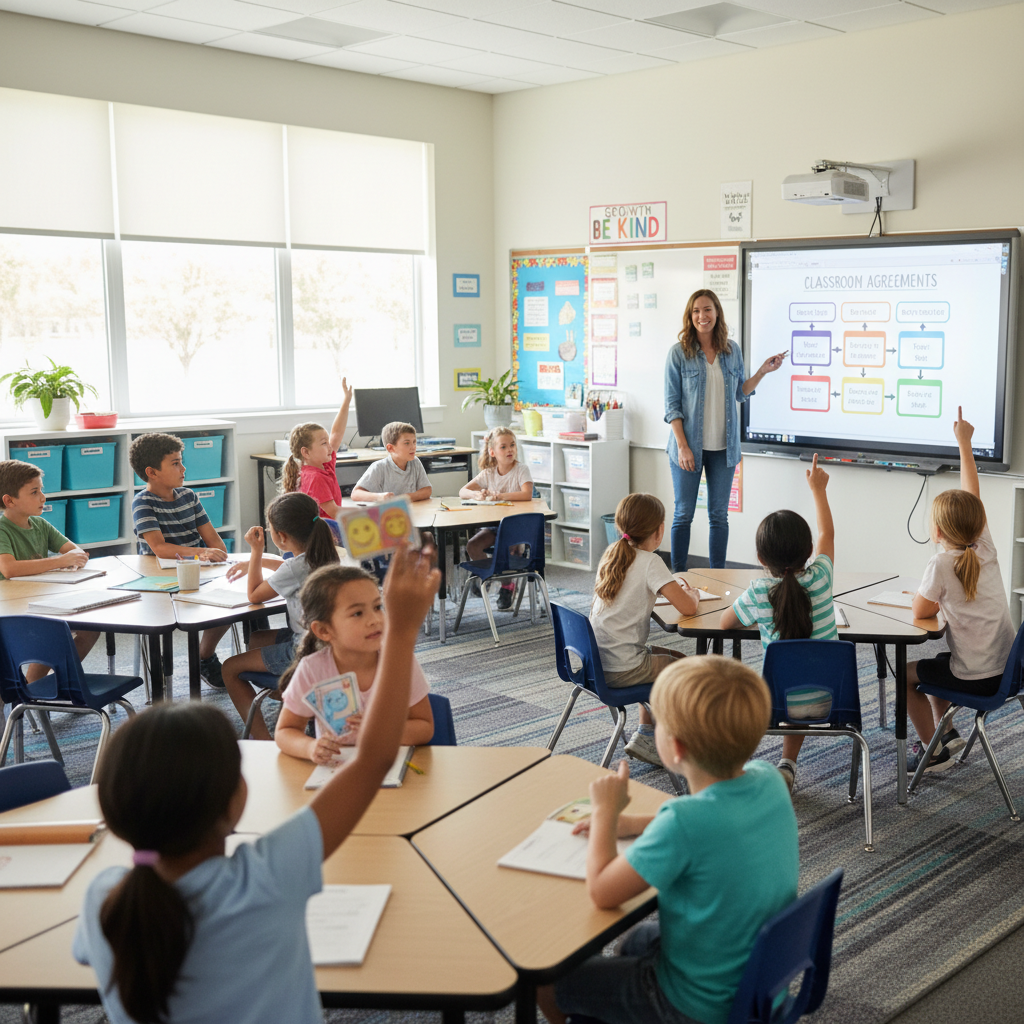
For trauma-affected students, feeling safe is prerequisite to everything else—learning, relationships, behavioral regulation. Schools create safety through predictable routines, consistent adults, physical environments that feel secure, and emotional climates free from threat.
Prioritize Relationships
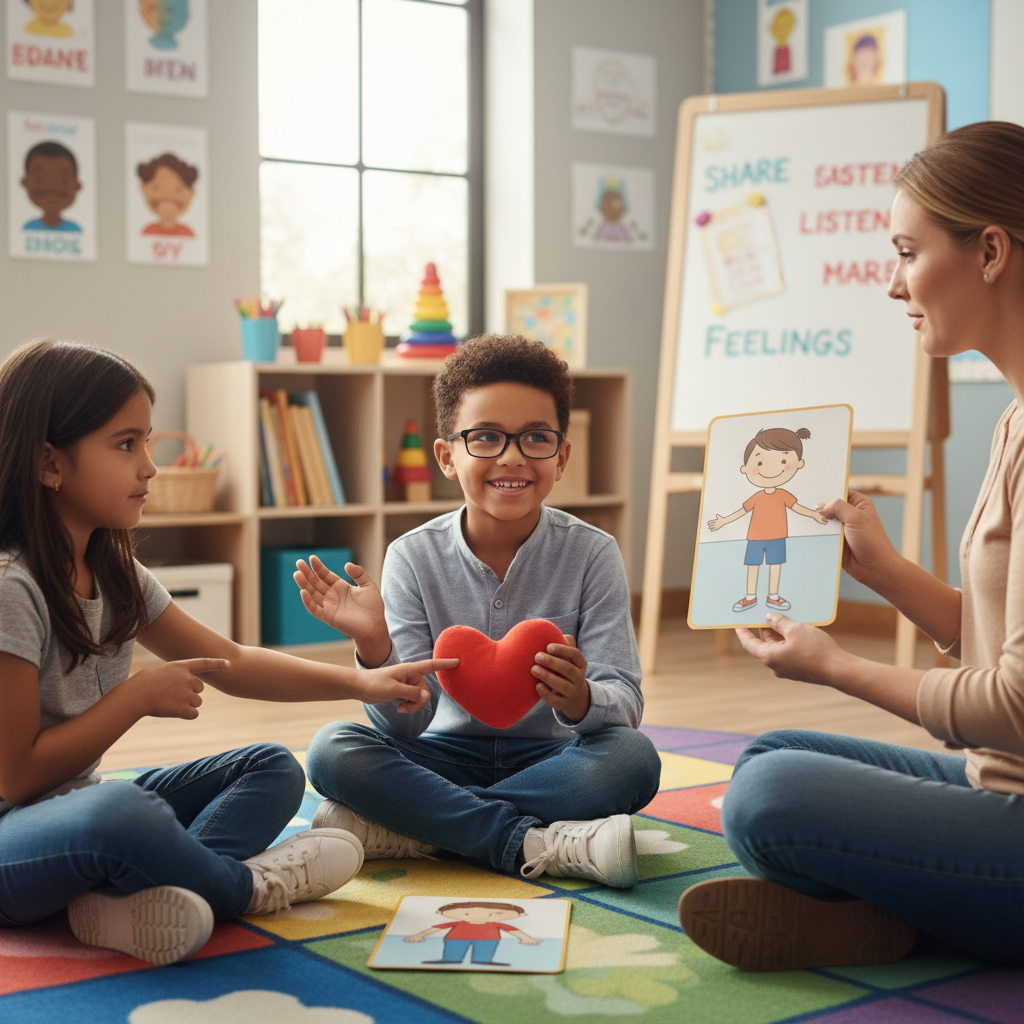
Trauma often occurs in the context of relationships—abuse, neglect, violence in the home. Healing also happens in relationships. When trauma-affected students experience consistent, caring adults who remain calm and connected even during difficult moments, they begin to revise their expectations of what relationships can be.
Regulate Before Reason
When a student is dysregulated—in survival mode—cognitive interventions won't work. The first priority is regulation: helping the student's nervous system calm down. Only then can reasoning, problem-solving, and learning from the situation occur.
Ask "What Happened?" Not "What's Wrong?"
Traditional approaches see behavior as the problem to be fixed. Trauma-informed approaches see behavior as communication about underlying experiences. The question shifts from "What's wrong with this student?" to "What happened to this student that makes this behavior make sense?"
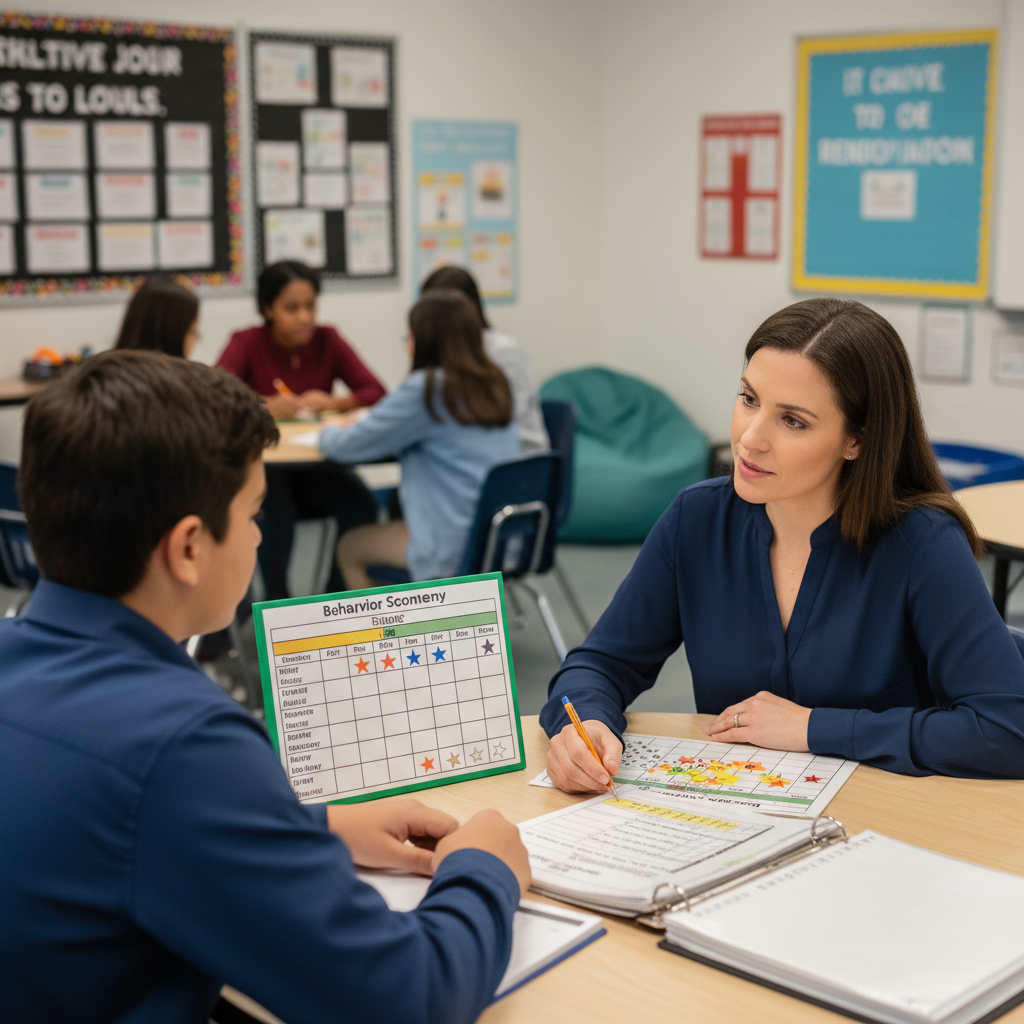
Behavior Management
Track behavioral incidents and implement positive behavior intervention strategies.
Practical Strategies
Prevention: Reducing Triggers
Knowing what triggers a student enables prevention:
- • Avoid sudden loud sounds or movements when possible
- • Provide warnings before transitions
- • Offer choices to reduce feeling trapped
- • Be aware of dates or topics that may be triggering
- • Maintain calm, predictable demeanor
- • Avoid public confrontation or humiliation
Intervention: Co-Regulation
When a student is triggered, the adult's regulation affects the student's regulation. Staying calm, speaking in low tones, maintaining open body language, and giving space all help de-escalate. Matching the student's agitation escalates the situation.
De-Escalation Approaches
Recovery: After the Crisis
How adults respond after a behavioral crisis matters as much as how they respond during it:
- • Allow time and space for full regulation before processing
- • Reconnect before addressing the behavior—relationship repair first
- • Discuss what happened without shame or blame
- • Problem-solve together about what might help next time
- • Maintain the relationship—the student needs to know the connection isn't broken
Rethinking Discipline
Traditional discipline often retraumatizes:
Suspension and exclusion can trigger abandonment fears and confirm beliefs that adults can't be trusted. For students whose trauma involves rejection, being sent away reinforces their worst expectations.
Public confrontation activates shame, a powerful trauma trigger. Students may escalate to avoid the unbearable feeling of public humiliation.
Power struggles can replicate dynamics from traumatic experiences where adults used power harmfully. For students who've experienced abuse, an adult asserting authority forcefully may trigger survival responses.
This doesn't mean no consequences—but consequences should be designed to teach and restore rather than punish and exclude. Restorative approaches, natural consequences, and skill-building interventions work better than punitive responses for trauma-affected students.
Building Trauma-Informed Schools
Trauma-informed practice isn't just individual techniques—it's a school-wide approach:
Universal Awareness
All staff—teachers, administrators, bus drivers, cafeteria workers—need basic trauma awareness. Every adult interaction either supports healing or risks harm.
Screening and Identification
Schools need ways to identify students who may be trauma-affected—not to label them, but to ensure appropriate support. Universal screening, teacher observation systems, and referral processes all contribute.
Tiered Supports
Universal trauma-sensitive practices benefit all students. Targeted supports (counseling groups, check-in systems) serve students with identified needs. Intensive individual support and mental health services address severe trauma.
Staff Wellness
Working with trauma-affected students takes a toll. Secondary traumatic stress affects educators who regularly engage with students' pain. Trauma-informed schools support staff wellness through manageable caseloads, supervision, self-care resources, and acknowledgment of the emotional weight of the work.
See AcumenEd in Action
Request a personalized demo and see how AcumenEd can transform your school's data.
Common Questions
"Isn't this letting students off the hook?"
No. Trauma-informed approaches still address behavior—they just do so in ways more likely to be effective. Understanding why behavior occurs doesn't mean accepting it. It means responding strategically rather than reactively.
"What about other students?"
Classrooms must be safe and functional for all students. Trauma-informed approaches actually help achieve this—de-escalation prevents major disruptions, regulated students are safer for everyone, and skill-building reduces future incidents.
"Don't we need to know what happened to be trauma-informed?"
Trauma-informed practice doesn't require knowing individual students' trauma histories (which students may not want to share). It means assuming that trauma may be present, using universally safe practices, and responding to signs of trauma with support rather than punishment.
The Healing Potential of Schools
Schools can't undo trauma. But they can provide something powerful: consistent, safe, caring relationships that help students develop new templates for what adults and what the world can be. Every positive interaction contributes to healing.
Return to Jaylen. What if the school understood his behavior as a trauma response? What if, after he calmed down, an adult reconnected rather than punished? What if he had a relationship with a trusted adult to check in with when things got hard at home? What if the school was a place of safety rather than another place where adults got angry and sent him away?
That's the vision of trauma-informed schools: places where students' pain is met with understanding, where behavior is addressed without shame, and where healing becomes possible.
Key Takeaways
- Trauma affects the brain's stress response, making students hyperreactive to triggers and impairing their thinking brain during activation.
- Trauma-informed schools create safety, prioritize relationships, regulate before reasoning, and ask what happened rather than what's wrong.
- Traditional discipline often retraumatizes; restorative and skill-building approaches work better for trauma-affected students.
- Schools can be places of healing through consistent, safe, caring relationships that provide new templates for what adults can be.
Dr. Emily Rodriguez
Director of Student Support Services
Expert in student intervention strategies with a focus on early warning systems and MTSS implementation.